Recovering from a traumatic brain injury (TBI) can be a complex and challenging journey. Individuals affected by TBIs often face physical, cognitive, and emotional challenges that impact their daily lives. In Fort Worth, specialized traumatic brain injury recovery programs are designed to address these multifaceted needs, helping patients regain independence, functionality, and overall well-being. By combining medical care, rehabilitation therapies, and ongoing support, these programs offer a pathway to improved quality of life for individuals and their families.
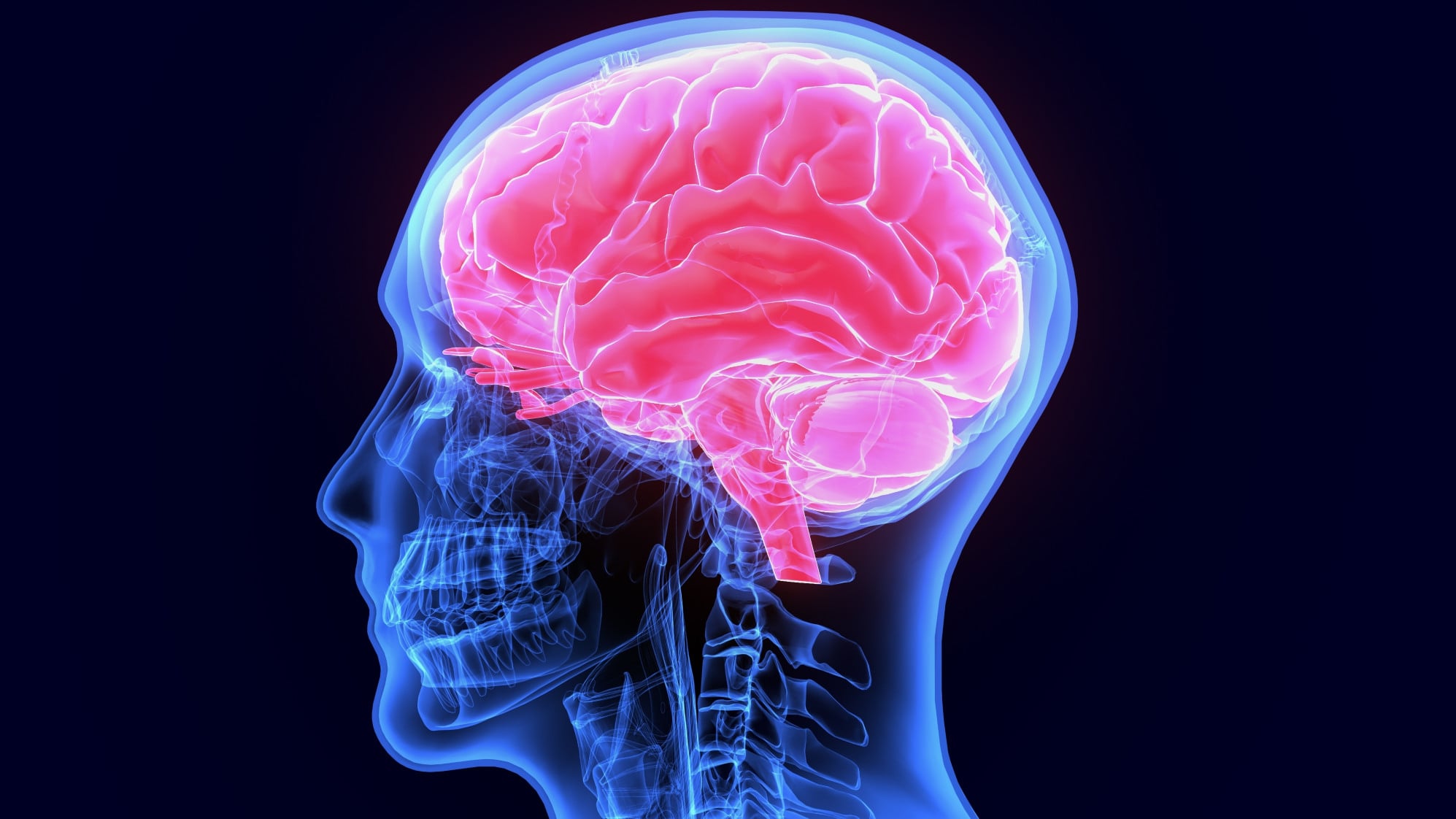
Understanding Traumatic Brain Injury and Its Impact
A traumatic brain injury occurs when an external force, such as a fall, car accident, or sports-related incident, causes damage to the brain. The severity of TBI can range from mild concussions to severe injuries resulting in long-term impairments. Common consequences include memory loss, difficulty concentrating, impaired motor skills, mood changes, and challenges with communication.
The impact of TBI extends beyond physical symptoms. Cognitive impairments and emotional struggles can affect relationships, employment, and daily activities, creating a ripple effect that impacts quality of life. Early and comprehensive intervention is critical to mitigating these effects and supporting the recovery process. Traumatic brain injury recovery Fort Worth programs focus on addressing all aspects of the injury, offering a holistic approach that considers the unique needs of each patient.
Multidisciplinary Approach to Recovery
One of the key strengths of traumatic brain injury recovery programs in Fort Worth is their multidisciplinary approach. Recovery is not limited to a single type of therapy; instead, a team of specialists works together to develop a personalized plan for each patient. This team may include neurologists, physical therapists, occupational therapists, speech-language pathologists, neuropsychologists, and social workers.
Physical therapy focuses on restoring mobility, strength, and coordination, helping patients regain independence in their daily activities. Occupational therapy addresses challenges related to self-care, work, and home management, providing adaptive strategies to enhance functionality. Speech-language therapy supports communication skills, which may be affected by TBI, enabling patients to express themselves effectively and maintain social connections.
Cognitive rehabilitation is another essential component of recovery. Therapists work with patients to improve memory, attention, problem-solving, and executive functioning. These skills are critical for navigating daily life, returning to work, and engaging in social activities. By targeting cognitive challenges alongside physical and emotional rehabilitation, programs ensure a comprehensive recovery process that addresses all areas affecting quality of life.
Emotional and Psychological Support
Traumatic brain injuries can lead to significant emotional and psychological challenges. Anxiety, depression, irritability, and frustration are common among TBI patients, often exacerbated by the loss of independence or changes in cognitive abilities. Fort Worth recovery programs incorporate counseling and mental health support to help patients cope with these emotional impacts.
Psychologists and counselors work with patients to develop coping strategies, build resilience, and manage stress. Support groups provide a sense of community, allowing patients and families to share experiences and gain encouragement from others facing similar challenges. Emotional support is crucial for maintaining motivation during recovery and fostering a positive outlook, which directly contributes to improved quality of life.
Family Involvement and Education
Family involvement is a cornerstone of effective traumatic brain injury recovery Fort Worth programs. Loved ones play a critical role in supporting the patient’s rehabilitation journey, providing encouragement, assisting with daily tasks, and helping reinforce therapy strategies at home.
Recovery programs often offer education and training for family members, equipping them with the tools to understand TBI, recognize progress, and manage potential challenges. This guidance strengthens the support network, ensuring that patients have consistent care and reinforcement outside of therapy sessions. Educated and engaged families contribute to a smoother recovery process and enhanced overall well-being for the patient.
Personalized Treatment Plans
No two brain injuries are identical, and recovery timelines can vary significantly between individuals. Traumatic brain injury recovery programs in Fort Worth emphasize personalized treatment plans tailored to the severity of the injury, patient goals, and individual needs.
These plans combine physical, cognitive, and emotional therapies with realistic milestones to track progress. Personalized programs ensure that patients receive targeted interventions where they need them most, maximizing recovery potential and promoting independence. By aligning treatment with personal goals—whether returning to work, resuming hobbies, or improving daily function—patients experience meaningful improvements in quality of life.
Advancements in Technology and Therapy
Modern TBI recovery programs leverage technology to enhance rehabilitation outcomes. Virtual reality, neurofeedback, and specialized software applications are increasingly used to support cognitive and motor skill development. These tools provide engaging, interactive exercises that stimulate the brain, track progress, and adjust difficulty based on performance.
Assistive devices and adaptive equipment are also integrated into recovery plans, helping patients perform daily activities more independently. From mobility aids to communication tools, these resources enhance functionality and reduce frustration, directly contributing to a higher quality of life.
Long-Term Support and Community Integration
Recovery from a traumatic brain injury is often an ongoing process. Fort Worth programs emphasize long-term support, including follow-up care, outpatient therapy, and community resources. Patients are encouraged to gradually reintegrate into social, educational, and professional environments, building confidence and independence.
Community programs, vocational training, and recreational therapy provide additional opportunities for engagement and skill development. By fostering social connections, promoting active lifestyles, and supporting reintegration, TBI recovery programs help patients regain a sense of normalcy and fulfillment.
Improving Quality of Life Through Comprehensive Care
The ultimate goal of traumatic brain injury recovery Fort Worth programs is to enhance quality of life. By addressing physical, cognitive, emotional, and social needs, these programs empower patients to regain independence, confidence, and functionality. A multidisciplinary approach, personalized treatment plans, and family involvement ensure that recovery is holistic and patient-centered.
Patients benefit from restored mobility, improved cognitive abilities, effective communication skills, and emotional resilience. Family members gain the tools to provide ongoing support, creating a stable and nurturing environment for continued growth. Advanced technologies and long-term follow-up further reinforce recovery, enabling patients to engage fully in their personal, social, and professional lives.
Comprehensive traumatic brain injury recovery programs in Fort Worth provide more than rehabilitation—they provide a pathway to improved well-being and renewed quality of life. Through expert care, tailored therapies, and community support, individuals affected by TBI can achieve meaningful progress, regain independence, and embrace a more fulfilling future.